

Science
Science @ Changkat Primary
Our Vision
Nurturing Inquirers, Thinkers and Changemakers of a Sustainable Future
Our Mission
To provide joyful, authentic, and inquiry-driven science experiences that develop curiosity, critical thinking, collaboration, and responsible action for a more sustainable world.
Our Science Philosophy
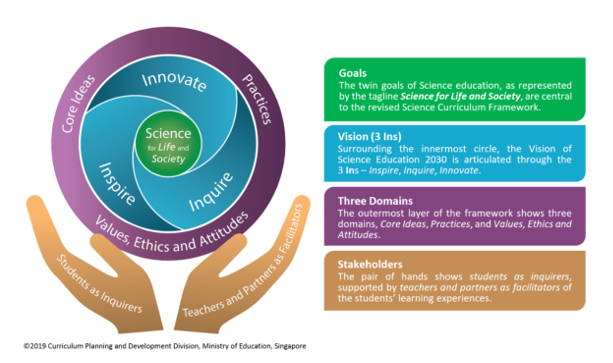
At Changkat Primary, we believe that every child is naturally curious. Guided by a student-centred approach and aligned with the 2023 MOE Science Syllabus, our programme nurtures learners who are:
-
Inquirers, who explore and question the world
-
Critical thinkers, who reason with evidence
-
Adaptive thinkers, who can flexibly adjust their ideas
-
Custodians of the environment, who care for the world they live in
Science learning in CKPS is authentic, meaningful, and rooted in real-world contexts. We show students how Science is woven into daily life, helping them understand how their actions impact the environment and the community around them.
Our Approach to Teaching & Learning
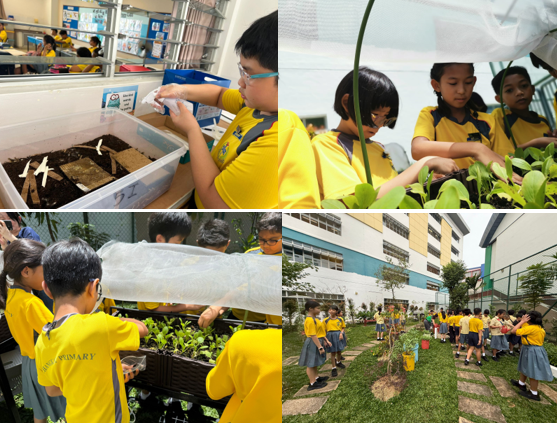
Learning Science at Changkat is grounded in inquiry-based learning, hands-on discovery, and authentic experiences. Our curriculum emphasises:
1. Authentic Real-World Contexts
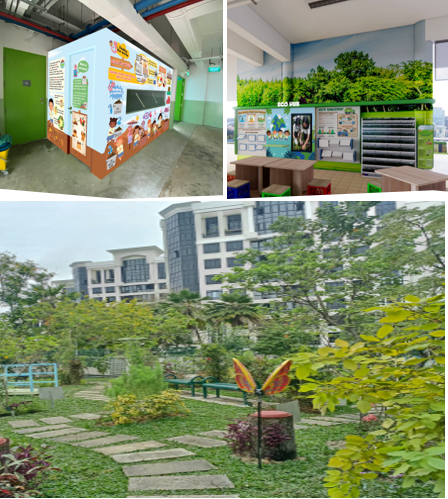
Students explore scientific concepts in meaningful settings — gardens, trails, EcoHub, school grounds, and community spaces.
2. Inquiry-Based Learning (5E Model)
Using Engage, Explore, Explain, Elaborate, Evaluate, pupils construct deep conceptual understanding through investigations and guided discovery.
3. Capture–Construct–Consolidate (3Cs)
Our teachers design lessons that:
-
Capture curiosity
-
Construct understanding through activity and dialogue
-
Consolidate learning through reflection
4. ICT-Enabled Learning
Digital tools such as ClassPoint, Quizizz, and blogging platforms are used to promote:
-
Self-Directed Learning (SDL)
-
Collaborative Learning (CoL)
-
Real-time formative assessment
5. Differentiated Learning
Lesson packages from P3–P6 are designed based on students’ readiness and learning profiles.
Learning in Action
Signature Science Experiences at Each Level
|
Level |
Signature Learning Experience |
What Students Learn |
|
P3 |
Eco-Enzyme making & Mushroom Growing |
Characteristics of living things and how food can be grown and repurpose for better use |
|
P4 |
Light & Shadows Project |
Light travel, shadows, storytelling with puppetry, creativity & science communication |
|
P5 |
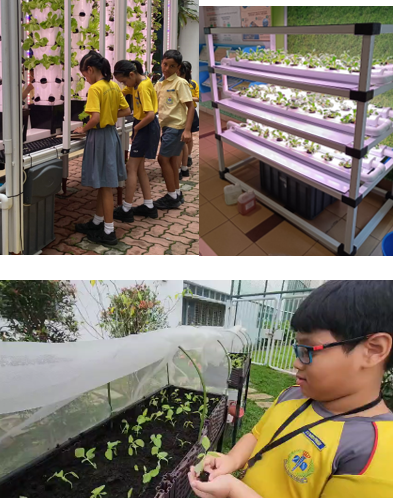
Farm-to-Table Programme (Hydroponics, Aquaponics, Edible Garden, Wormery) |
Life cycles, plant systems, food sustainability, human impact, composting & authentic agriculture |
|
P6 |
EcoHub Exploration & SustainTrail@Changkat–Simei |
Biodiversity, energy flow, human impact, conservation practices & environmental responsibility |
Key Science Programmes & Experiences
(1) Outdoor Experiential Learning
The school grounds function as a living laboratory. Students learn through:
-
Butterfly Trail, where they care for caterpillars and observe metamorphosis
-
EcoHub, where students explore topics like:
-
recycling and food waste
-
composting (Wormery)
-
biodiversity and ecosystems
-
sustainable practices
-
These experiences help students experience firsthand how Science connects to sustainability.
(2) Learning Journeys
Each level participates in a carefully curated learning journey aligned with the yearly syllabus.
|
Level |
Learning Journey |
Focus Areas |
|
P3 |
Singapore Zoo |
Diversity of living things such as characteristics of groups of animals |
|
P4 |
Science Centre Singapore |
Light, energy, real-world science & Heat, forces, interactions |
|
P5 |
Gardens by the Bay |
Plant systems, adaptations, ecology |
|
P6 |
Sungei Buloh Wetland Reserve |
Food webs, biodiversity, Man’s Impact on Environment |
Students also learn about Singapore’s limited resources and the need to conserve them — supporting National Education.
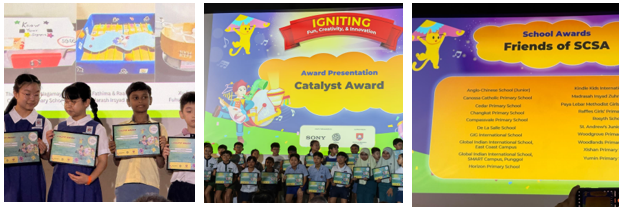
(3) Sony Creative Toy Making
https://sites.google.com/moe.edu.sg/ckps-scsa/ckps-scsa-details
Transform Your Creative Invention Into a Toy!
CKPS has been participating since 2012.
Through SCSA, students develop:
-
creativity and inventiveness
-
scientific thinking
-
resilience through design iteration
-
communication skills during recess showcases
An annual in-house competition shortlists entries for the national competition.
(4) Techniques for Tackling Science Questions
To help pupils reason scientifically and articulate their ideas clearly, CKPS teaches:
Claim–Evidence–Reasoning (CER)
For explanation and open-ended questions.
STEPS Strategy
For tackling question types in a structured, logical way.
These techniques are age-appropriate and progressive from P3–P6.
Parents attend yearly workshops to support learning at home using the
same strategies.
Developing Critical & Adaptive Thinkers
Science learning at CKPS develops students who are able to:
-
analyse evidence
-
evaluate observations
-
propose explanations
-
revise ideas based on new data
-
collaborate to solve problems
-
communicate scientifically and confidently
These are essential future-ready competencies that prepare them for a rapidly changing world.
Science & Sustainability: A Strong Partnership
Our Science curriculum is deeply connected to our school’s sustainability
efforts.
Through programmes such as:
-
EcoHub posters and space
-
Edible Garden & Farm-to-Table
-
Wormery (food waste management)
-
Hydroponics & Aquaponics systems
-
SustainTrail@Changkat–Simei
-
Biodiversity studies
Students apply scientific concepts to real environmental issues and learn to be responsible custodians of the environment — supporting the school’s sustainability pillars of Curriculum, Campus, Culture, Community.
➡️ Visit our Sustainability page:
https://www.changkatpri.moe.edu.sg/our-experiences/distinctive-programmes/sustainability/